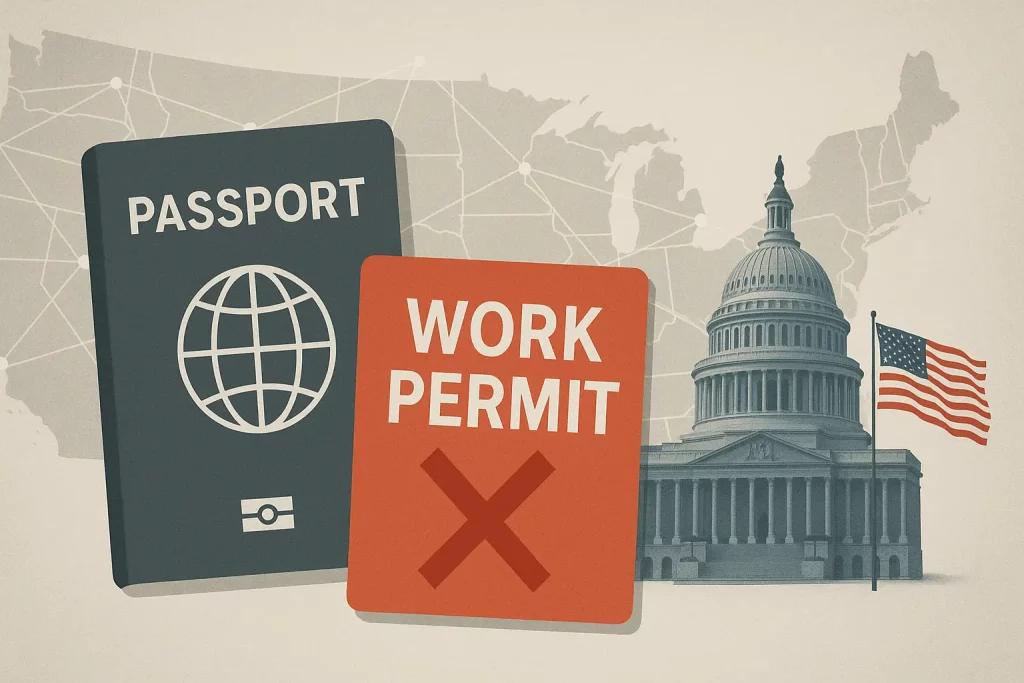
Passport Expiry Can Shorten Canadian Work Permits
Immigration, Refugees and Citizenship Canada (IRCC) ties the validity period of a temporary work permit to the expiration date of the applicant’s passport. This policy affects both new applicants and current workers seeking to extend their stay in Canada.
According to IRCC’s operating rules, a permit cannot extend beyond the date a foreign national’s passport expires. This regulation can lead to shorter work authorization periods for those whose travel documents are nearing expiry.
The issue is relevant to temporary foreign workers, post-graduation work permit holders, and participants in programs such as the Manitoba Provincial Nominee Program (MPNP) who rely on valid work authorization to remain employed in Canada.
- Work permits are issued only up to the expiry date of the applicant’s passport.
- IRCC applies this rule across all work permit types, including LMIA-based and open permits.
- Under section 52(1) of the Immigration and Refugee Protection Regulations, temporary residents must hold valid travel documents for the full duration of their stay.
- Applicants with passports expiring before the end of their job offer period receive shorter permits.
- Work permit extensions require renewal of the passport before reapplying.
- LMIA validity and work permit validity are separate and operate under different timelines.
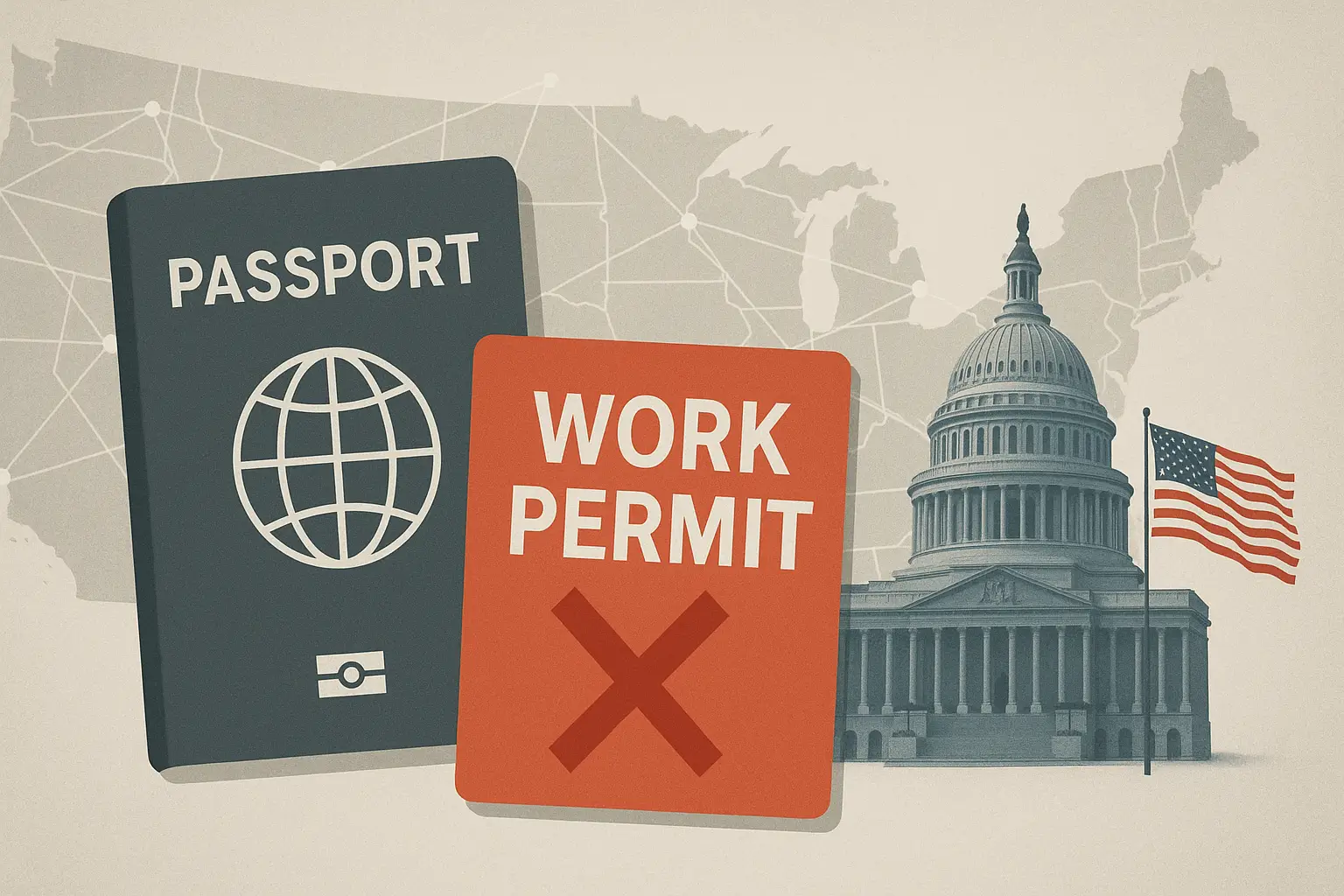
How IRCC Determines Work Permit Length
Under the Immigration and Refugee Protection Regulations, temporary residents are required to maintain a valid passport for the entirety of their authorized stay in Canada. IRCC officers therefore issue work permits that do not exceed the passport’s expiry date.
Permits typically range from one to three years in length, depending on the job offer and program requirements. However, if a passport expires earlier, the work authorization is automatically shortened to match that date.
Factors Influencing Permit Duration
IRCC determines work permit length based on several criteria, including the employment offer, the duration authorized by a Labour Market Impact Assessment (LMIA) when applicable, and the validity of the worker’s passport. For open work permits, additional considerations—such as the duration of a study permit, a spouse’s permit, or youth mobility agreements—apply.
For instance, if an LMIA supports a 12-month position but the applicant’s passport expires after eight months, the permit will reflect the shorter eight-month period. The same approach applies to post-graduation work permits (PGWP), where authorization cannot exceed either the eligible period determined by the study program or the passport expiry date, whichever is earlier.
Post-Graduation Work Permit (PGWP) Implications
Graduates qualifying for a three-year PGWP receive authorization only up to the date their passport remains valid. If a passport expires sooner, the permit ends on that earlier date, potentially shortening the expected employment period for recent graduates seeking Canadian work experience.
The maximum PGWP validity remains three years for eligible programs, but practical duration depends on maintaining valid travel documentation.
Extending a Shortened Work Permit
Foreign nationals already in Canada on shortened work permits can apply to extend their authorization once a new passport is obtained. The extension process follows the same eligibility criteria as the initial application.
Those working under the Temporary Foreign Worker Program (TFWP) must ensure their employer secures a new LMIA from Employment and Social Development Canada (ESDC) before applying for an extension. LMIAs are currently valid for six months and must be used within that timeframe to apply for a work permit.
For LMIA-exempt work permits issued under the International Mobility Program, a new offer of employment submission and employer compliance fee payment are required, unless the employer qualifies for an exemption.
Administrative Context and Compliance
IRCC’s approach reflects compliance with federal immigration regulations ensuring that all temporary residents maintain valid identification for their authorized stay. The policy aims to streamline recordkeeping and avoid situations where an individual’s status outlasts the validity of their travel document.
While the rule applies nationwide, its impact is often most visible among temporary workers and international graduates whose passports expire before the typical one- to three-year work authorization period.
Public Relevance
The connection between passport validity and work permit length is a recurring administrative challenge for many foreign nationals working in Canada. Awareness of these requirements remains important for those entering the workforce through provincial nomination streams, employer-sponsored programs, or open work permit categories.
IRCC continues to administer this policy consistently across all regions, including Manitoba and other provinces operating nominee programs that lead to temporary or permanent employment authorization.
Ongoing Monitoring and Further Information
IRCC regularly updates its operational guidelines to align with federal immigration regulations. Applicants and employers participating in temporary foreign worker or international mobility programs are expected to meet documentation requirements at all stages of the process.
For continued coverage of federal and provincial immigration processes, including updates to work permit and passport validity policies, readers can explore related Canadian immigration news and program updates on this platform.