Canada Shortens Study Permits for Prerequisite Students
Immigration, Refugees and Citizenship Canada (IRCC) has revised its policy for international students completing prerequisite courses before beginning longer academic programs. Under new instructions issued on February 19, 2026, study permits will now be valid for a shorter period than before.
The change affects students arriving in Canada to complete English or other preparatory studies required for admission into degree or diploma programs. The update clarifies the length of stay permitted during the prerequisite stage.
- New IRCC guidelines issued February 19, 2026
- Study permits now expire 90 days after prerequisite courses end
- Previous rule allowed an additional year of validity
- Applies to students entering Canada for prerequisite or conditional admission programs
- Students can apply for a new permit from within Canada if eligible
- Maintained status allows continued study while waiting for new permit approval
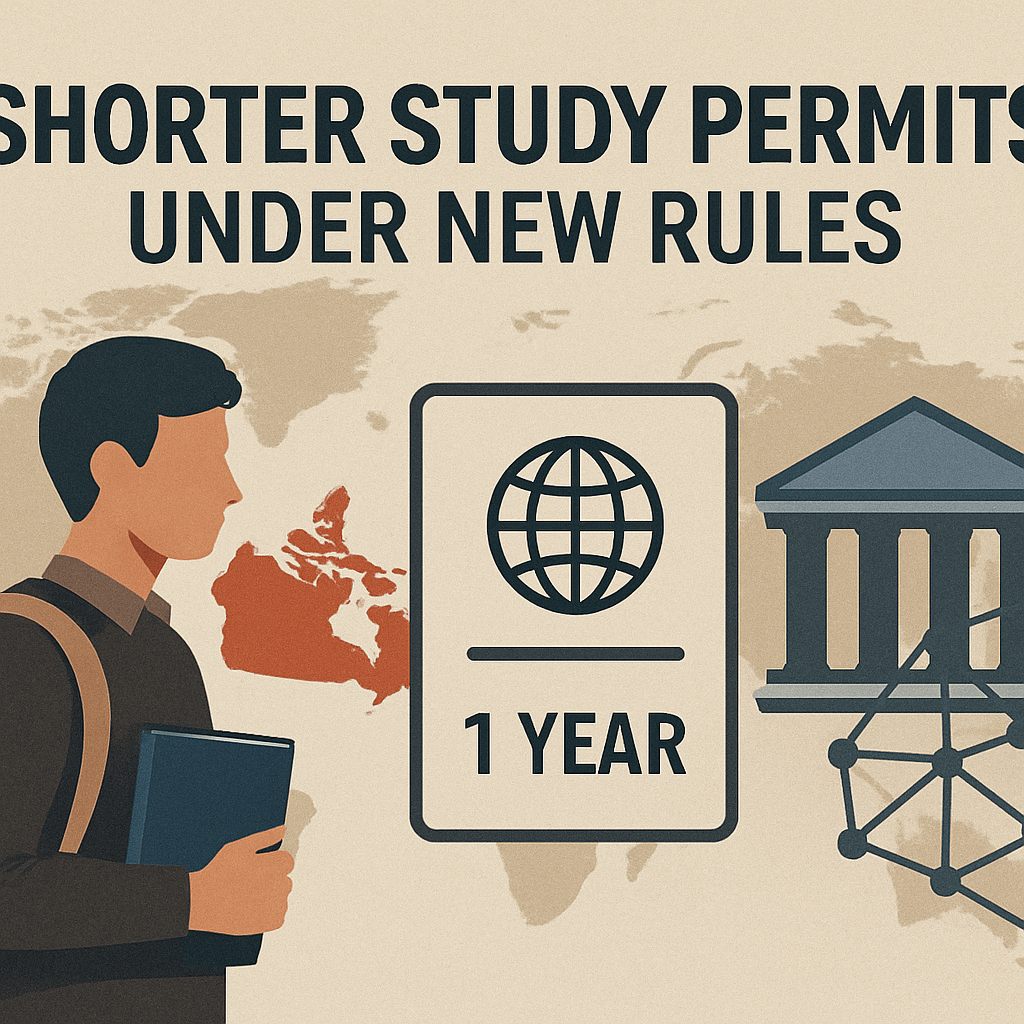
Overview of the Policy Update
According to the new IRCC operational guidance, study permits issued for prerequisite or bridging courses will now extend only 90 days beyond the end date of the short-term program. This represents a significant reduction compared with the previous rule, which granted an additional year of permit validity.
The updated instruction aims to align study permit validity periods more closely with the actual duration of study. It also clarifies how students transitioning from prerequisite programs to long-term studies should manage their documentation.
Example of the New Rule in Practice
An international student conditionally accepted into a four-year bachelor’s program may first need to complete a short English as a Second Language (ESL) course. Under the new rule, a student completing a four-month ESL prerequisite would receive a study permit valid for the course period plus 90 additional days.
For instance, a course running from May 6 to September 6, 2026, would result in a permit expiring on December 5, 2026. After finishing the prerequisite, the student may apply for a new study permit from within Canada for the main degree program.
Maintained Status During Application Processing
Students who apply for a new study permit while already in Canada benefit from maintained status, allowing them to continue studying under the same conditions while their new application is processed. This rule provides continuity for those progressing directly from prerequisite courses into longer academic programs.
Background and Prior Framework
Before February 2026, study permits for prerequisite programs included an additional year of validity beyond the course completion date. That policy allowed time for students to transition into their primary program of study without reapplying immediately.
IRCC’s revision narrows this window to 90 days, which reduces the overlap period but keeps the pathway open for students already in Canada to extend their permits. The change reflects an effort to ensure that study permit durations remain proportionate to the actual course requirements.
Eligibility and Related Scenarios
While studying for less than six months in Canada generally does not require a study permit, IRCC advises that foreign nationals completing prerequisite courses for longer academic programs should still obtain one. This ensures eligibility to apply for a new permit from within Canada once accepted into a subsequent program.
Without an initial study permit, a student completing only a short prerequisite course would typically need to apply from outside Canada for any future study permit, unless another exemption applied.
Other Situations for In-Canada Study Permit Applications
IRCC lists several circumstances where applications for a study permit may be submitted from within Canada. These include holding a valid study or work permit, being the spouse or common-law partner of a permit holder, or being an exchange or visiting student. Additional eligible categories include holders of a temporary resident permit valid for six months or more, individuals who have applied for permanent residence sponsorship, and refugee claimants or their family members.
Such provisions ensure that temporary residents already legally present in Canada can adjust or extend their study authorization without leaving the country.
Relevance for Students and Institutions
The updated instruction affects designated learning institutions and international applicants planning sequential studies. Many institutions that require ESL or other preparatory courses will need to ensure that students understand the shorter study permit validity and the need to apply for a new permit promptly after completing prerequisites.
In provinces such as Manitoba, where international enrolment supports both post-secondary programs and immigration pathways through initiatives like the Manitoba Provincial Nominee Program (MPNP), these adjustments may influence students’ planning timelines but maintain the same eligibility structure for subsequent study or work transitions.
Implementation and Administrative Guidance
IRCC’s updated web guidance for officers provides detailed instructions on how to calculate the new permit validity period. Officers are directed to issue permits covering the prerequisite course duration plus 90 days, taking into account the program start and end dates as provided by the designated learning institution.
The 90-day allowance is intended to give students sufficient time to apply for the next study permit or to prepare to depart Canada if not pursuing further studies.
Public and Institutional Impact
The adjustment is primarily administrative but carries practical implications for students and educational institutions managing conditional admissions. It reinforces the requirement that study permits must reflect the actual academic activity authorized in Canada, rather than extending significantly beyond it.
Institutions may update their acceptance documentation and advise students on the need for timely reapplication between prerequisite and main programs. The change also ensures that IRCC maintains accurate records of study periods for compliance monitoring and immigration data management.
Ongoing Immigration Updates
This revision adds to a series of technical adjustments made by IRCC to streamline study permit processing and compliance. Further updates are expected as the federal department continues to refine student visa procedures in response to enrolment patterns and policy priorities.
For continuing coverage of study permit and international student policy developments, readers can explore related updates across Canada’s immigration programs.