Canada Ends Temporary Work Permit Policy for Iranians
Canada has concluded its temporary public policy that permitted Iranian nationals in the country to apply for special open work permits. The measure officially ended at midnight, Coordinated Universal Time, on March 1, 2026.
The expiry affects Iranians with temporary resident status who had been eligible to apply under the policy if they arrived in Canada on or before February 28, 2025.
Immigration, Refugees and Citizenship Canada (IRCC) introduced the policy to provide temporary relief following civil unrest in Iran in 2022. With its expiration, new applications under this category are no longer accepted.
- The temporary policy for Iranians in Canada ended on March 1, 2026.
- The measure had allowed eligible individuals to apply for open work permits.
- Priority processing and access to in-Canada study permit applications were included.
- The most recent version excluded previous fee waivers.
- The first iteration was launched in February 2023 in response to events in Iran.
- Canada continues to use temporary policies to address humanitarian situations globally.
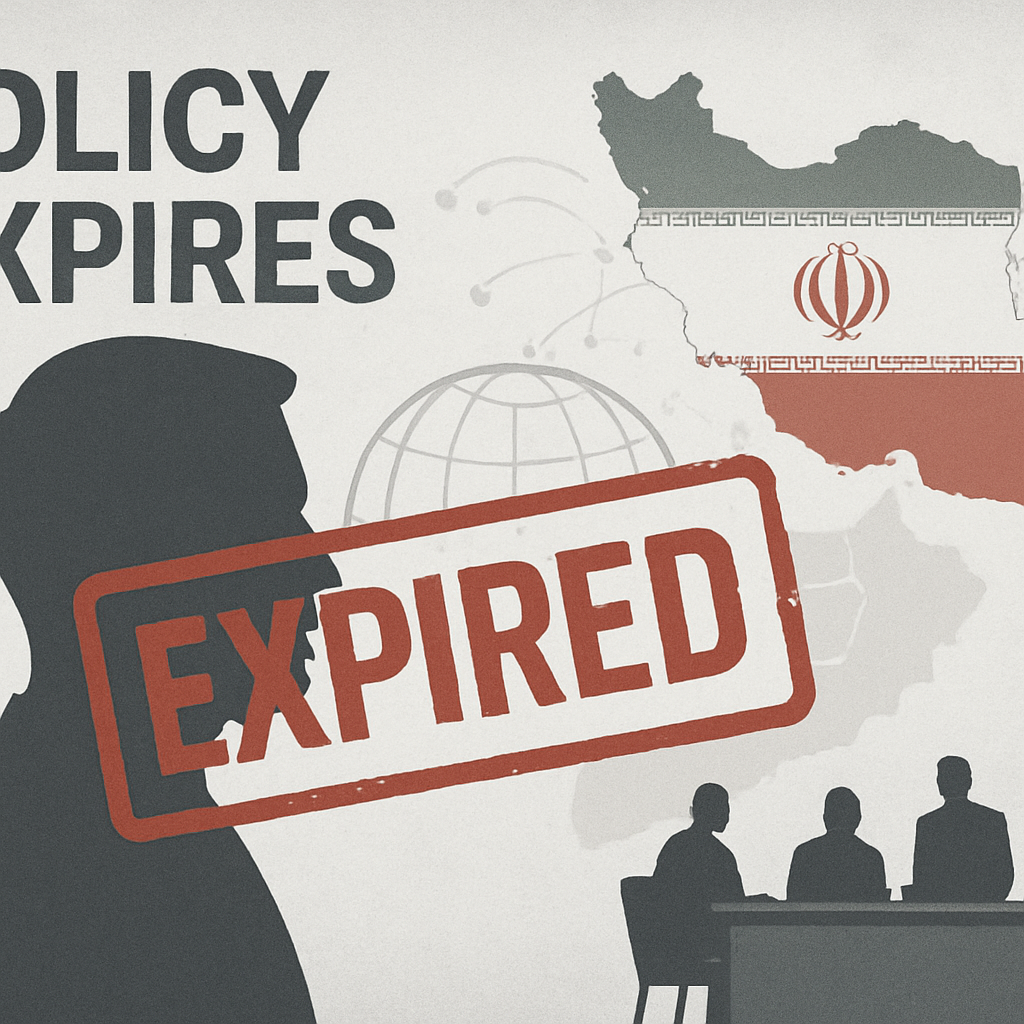
Overview of the Expired Policy
The policy, titled Updated temporary public policy for nationals of Iran in Canada as temporary residents, was designed to assist Iranian citizens present in Canada during a period of political instability in their home country. It permitted eligible participants to seek open work permits without requiring an employer-specific offer.
This version of the measure took effect on March 1, 2025, and remained active for one year. Its expiration now closes access to these special work authorizations for new applicants.
Policy Background and Implementation
The initiative replaced an earlier policy established in February 2023. Both were implemented in response to civil demonstrations and unrest in Iran that followed the death of Mahsa Amini in September 2022. Ottawa framed the policy as part of a humanitarian response to global crises.
Temporary public policies such as this are used by the Canadian government to manage urgent immigration programs outside the standard framework. They allow flexibility in extending support to foreign nationals affected by international emergencies.
Eligibility and Key Provisions
Under the latest policy, Iranian nationals who entered Canada before the February 28, 2025, deadline were able to apply for open work permits. Applicants also received priority processing for their submissions and could apply for study permits from within the country.
While the first iteration included fee exemptions for certain applications, the renewed version introduced in 2025 did not carry over those waivers. The absence of these exemptions differentiated it from the earlier policy.
Expiry and Administrative Details
The policy expired at 00:00 UTC on March 1, 2026. After this date, Immigration, Refugees and Citizenship Canada stopped accepting new applications under the program. Those who had already submitted applications before expiry will continue to be processed under the previous rules.
The decision aligns with IRCC’s approach to time-limited humanitarian measures, which are designed to address specific global or regional events and are reviewed periodically for renewal or closure.
Broader Context of Canada’s Temporary Immigration Measures
Canada has implemented a range of temporary public policies to respond to international crises. Similar measures have supported individuals affected by conflicts in Ukraine, Haiti, Gaza, and Sudan. These policies often provide temporary protection, work authorization, or accelerated processing for affected nationals.
In Manitoba and other provinces, specialized pathways such as the Manitoba Provincial Nominee Program continue to operate independently of such temporary humanitarian programs, offering permanent immigration routes based on provincial labour needs.
Public Relevance and Continuing Developments
The conclusion of the Iranian-focused policy marks the end of a short-term humanitarian measure that had been renewed once since its introduction. It reflects Canada’s ongoing practice of balancing humanitarian assistance with the structured management of temporary and permanent immigration programs.
Observers note that temporary policies often serve as transitional mechanisms, allowing the federal government to respond swiftly to global events while maintaining oversight of long-term immigration objectives.
Ongoing Immigration Policy Framework
Canada’s immigration system continues to rely on temporary and permanent pathways to address economic, demographic, and humanitarian priorities. While the Iranian-specific policy has ended, the federal government remains active in assessing new public policies as international conditions evolve.
Further information about Canada’s immigration updates, including humanitarian and regional programs, is expected to be released through official government channels as policies are reviewed or introduced.
Readers can explore additional coverage of provincial nominee programs and humanitarian public policies across Canada for current updates on entry, work, and residency opportunities.