Canada Gains Visa-Free Access to China for 2026
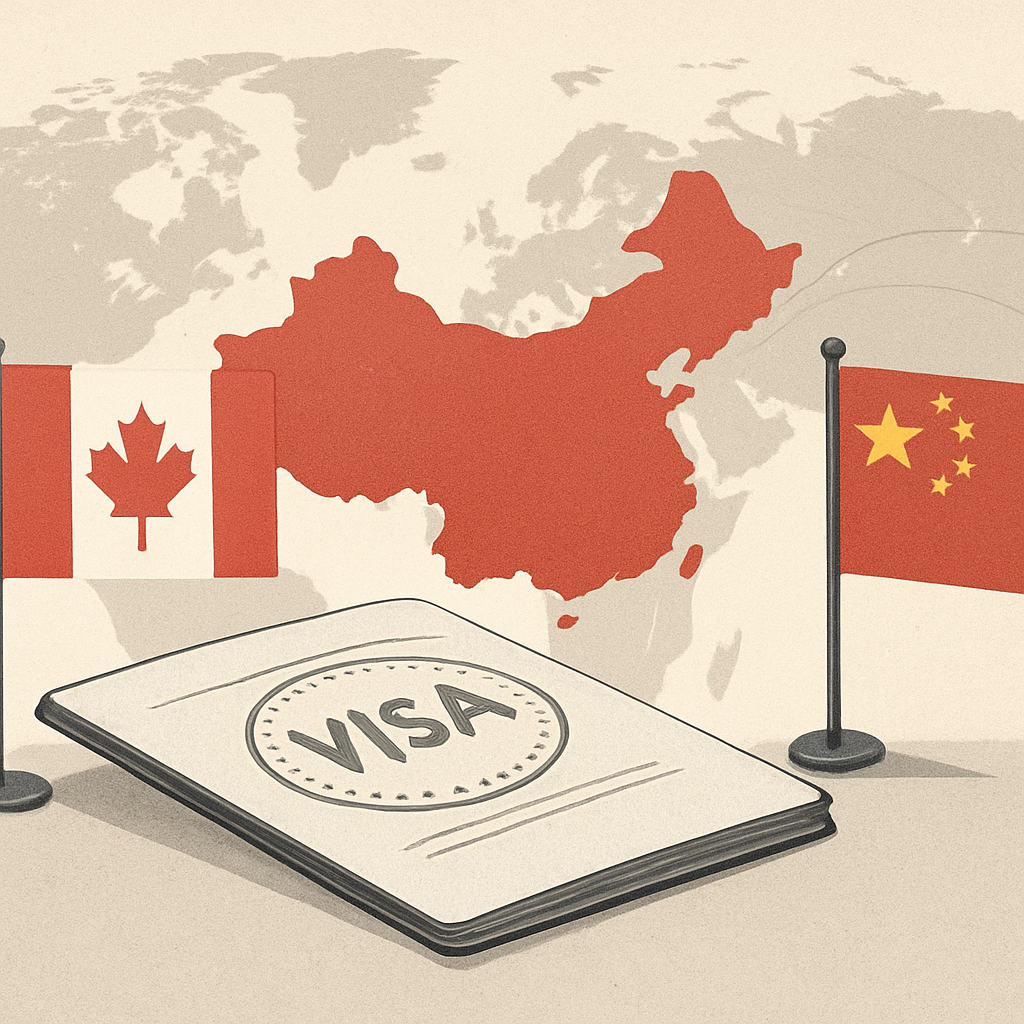
Starting February 17, 2026, Canadian passport holders are permitted to visit China without a visa for stays of up to 30 days. The new arrangement, confirmed by the Chinese Foreign Ministry, remains valid until at least December 31, 2026.
The change allows Canadians to travel to China for business, tourism, family visits, cultural exchanges, or transit without a visa, marking a significant update to entry requirements between the two nations.
- Effective February 17, 2026, Canadian citizens may travel visa-free to China for up to 30 days.
- The exemption covers business, tourism, family, and exchange travel.
- The policy applies until December 31, 2026, subject to review.
- Employment and long-term study still require a visa or residence permit.
- The United Kingdom also gains equivalent visa-free access.
Policy Overview
The People’s Republic of China announced the visa exemption following a review of its foreign entry policies. Under the temporary measure, Canadians can visit for short-term, non-remunerated purposes, including tourism and cultural or commercial exchanges. The exemption also extends to travelers transiting through China.
Canadians seeking to work, study for a degree, or remain in China beyond 30 days will continue to require an appropriate visa or residence permit. The exemption does not alter China’s position on nationality or dual citizenship, which remains unrecognized under Chinese law.
Extended Transit Allowance
The update also expands visa-free transit privileges. Previously, Canadian travelers could stay up to 10 days at select ports of entry during transit. With the new policy, that period has been extended to 30 days, aligning with the broader visa-free entry rules.
Canada Among 50 Visa-Exempt Nations
Following the latest announcement, Canada now joins 49 other countries whose citizens can visit China without a visa. The list includes several European Union member states, such as France, Germany, and Spain, as well as countries including Australia, Japan, South Korea, and the United Kingdom.
Unless otherwise indicated, these visa waivers are in effect until December 31, 2026. Russia’s current arrangement remains valid until September 14, 2026, while Brunei’s exemption continues indefinitely.
Background and Diplomatic Context
The decision to lift visa requirements for Canadians follows a series of diplomatic engagements aimed at rebuilding bilateral relations. The first mention of a potential visa waiver came in January 2026, during Prime Minister Mark Carney’s official visit to Beijing—his first as prime minister and the first by a Canadian leader in more than eight years.
During that visit, discussions focused on strengthening trade and cultural partnerships. The visa-free agreement was among several measures intended to facilitate closer economic and social interaction between the two countries.
Previous Visa Conditions
Before this policy change, Canadian travelers were required to apply for a visa before entering China, a process often associated with lengthy wait times. The only exception was a regional program allowing visitors to enter Hainan province for up to 30 days without a visa.
The new nationwide policy replaces those limited arrangements, providing easier access for short-term visits across mainland China.
Impact on Canadian Travellers
The policy reduces administrative barriers for Canadian nationals, particularly those traveling for short business trips, tourism, or cultural exchange. It also benefits approximately 1.7 million Canadians of Chinese heritage, who were previously subject to China’s standard entry requirements due to the country’s non-recognition of dual citizenship.
The change positions Canada among a growing group of nations benefiting from China’s efforts to enhance international travel and trade connectivity.
Outlook and Future Review
China’s Foreign Ministry stated that the current visa-free policy will remain in place through the end of 2026. No formal indication has been given regarding whether the measure will be extended or modified after that date.
Officials in both countries have continued discussions on potential future cooperation in trade, education, and cultural exchange, signaling continued engagement in bilateral relations.
Relevance to Canadian Immigration and Mobility
The visa exemption complements Canada’s broader international mobility framework, which supports global movement for study, work, and cross-border collaboration. Within Canada, programs such as the Manitoba Provincial Nominee Program (MPNP) and other provincial pathways continue to attract international talent to Canada, while agreements such as this one facilitate outbound travel for Canadians.
For now, the temporary visa-free access underscores growing openness between Ottawa and Beijing and adds China to the destinations where Canadian passport holders can travel without prior visa approval.
Further developments regarding visa policy reviews or extensions beyond 2026 are expected to be announced through official government channels.
Readers can explore related updates on international travel agreements and immigration policy changes across Canada’s provinces and territories.