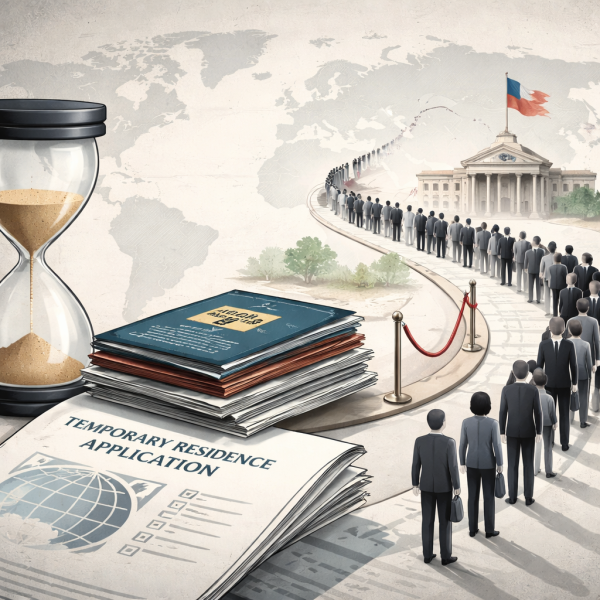
IRCC updates show longer temporary visa waits
Immigration, Refugees and Citizenship Canada (IRCC) released revised processing time estimates on August 5, 2026, indicating longer wait periods across several temporary residence categories. The update reflects changes recorded between July 28 and early August, with notable increases affecting applicants in multiple countries.
The revised figures cover work permits, study permits, visitor visas, and super visas. Processing timelines serve as estimates rather than guarantees, but the latest changes highlight shifting workloads and demand within the system.
Applicants submitting temporary residence requests from countries such as Pakistan, Nigeria, and the Philippines are among those most affected by the updated timelines.
- Work permit processing for Pakistan increased by 14 weeks compared to the previous estimate
- Study permit timelines rose by one week for Nigeria and the Philippines
- Super visa processing for the Philippines increased by approximately four weeks
- Visitor visa timelines showed smaller fluctuations, including a five-day rise for India
- Pakistan recorded the largest decrease, with super visa processing shortened by 11 days

Work permit processing trends
IRCC’s latest data shows significant variation in work permit processing depending on the applicant’s location. While some countries saw minimal or no changes, others experienced noticeable increases.
Pakistan recorded one of the largest shifts, with processing time estimates rising sharply compared to the previous update. In contrast, applications submitted within Canada saw a slight improvement, declining by one day to 119 days.
Processing times for India, Nigeria, the United States, and the Philippines remained stable during this reporting period. IRCC continues to maintain a service standard of 120 days for in-Canada applications and 60 days for those submitted outside the country.
Study permit timelines edge upward
Study permit processing times showed limited movement overall, though applicants from Nigeria and the Philippines experienced modest increases. Both countries saw wait times lengthen by one week compared to late July estimates.
Other major source countries, including India, Pakistan, and the United States, reported no change in their estimated processing durations. Applications submitted within Canada also remained steady at seven weeks.
The department continues to apply the same service standards for study permits as for work permits, with 120 days for in-Canada submissions and 60 days for those filed abroad.
Visitor visa processing shows mixed changes
Visitor visa timelines shifted slightly across most regions, with both increases and decreases recorded. India saw one of the more noticeable changes, with average processing times rising by five days.
Pakistan and Nigeria also experienced increases, with estimates climbing by several days. In contrast, the United States saw a five-day reduction, bringing its average processing time down to 21 days.
Applications from within Canada improved modestly, dropping to 21 days. IRCC maintains a service benchmark of 14 days for visitor visas submitted outside the country.
Super visa wait times rise in most regions
Processing times for super visas increased in the majority of countries included in the update. The Philippines experienced one of the largest changes, with wait times rising from 73 days to 100 days.
India, Nigeria, and the United States also recorded smaller increases. Pakistan was the only country to see an improvement, with processing time estimates declining by 11 days.
Super visa applications are submitted exclusively from outside Canada, and the current service standard remains set at 112 days.
Understanding processing time estimates
Processing times published by IRCC represent projected averages based on recent and current system data. These estimates are updated regularly to reflect application volumes, available resources, and operational conditions.
Two methods are used to calculate these timelines. Historical estimates rely on how long it took to finalize the majority of past applications, while forward-looking estimates consider current inventories and processing capacity.
These figures differ from service standards, which are internal benchmarks used by the department to measure performance. Service standards typically reflect the timeframe within which IRCC aims to complete 80% of applications under normal conditions.
Individual processing times may vary depending on application complexity, documentation requirements, or additional verification steps. Delays may also occur due to inventory backlogs or fluctuating intake levels.
Application volumes and system pressures
IRCC reported processing more than 1.2 million temporary residence applications between January and May 2026. As of May 31, over 404,000 applications remained in progress.
The scale of incoming applications continues to influence processing timelines. Weekly updates to temporary residence estimates aim to provide a current snapshot of these ongoing pressures.
Permanent residence and citizenship processing times are updated less frequently, typically on a monthly basis. Service standards for temporary residence categories have not undergone major revisions since 2018–2019.
Broader immigration system context
Temporary residence pathways form a central component of Canada’s immigration system, supporting international students, foreign workers, and visiting family members. These streams operate alongside permanent immigration programs managed through federal and provincial systems.
Programs such as the Manitoba Provincial Nominee Program remain part of broader immigration planning frameworks. Recent provincial activity, including Manitoba draws (MPNP), illustrates how temporary and permanent pathways intersect within overall admissions targets.
Processing efficiency across temporary streams can influence transitions to permanent residence, particularly for individuals already in Canada under work or study permits.
Ongoing weekly updates
IRCC is expected to release its next update to temporary residence processing times around August 12, 2026. These updates are part of a regular reporting cycle intended to reflect real-time conditions.
Changes recorded between updates often vary by region and application type, reflecting differences in demand and processing capacity across visa offices.
The August 5 update highlights continued variability, including a 14-week increase for Pakistan work permits and a rise to 100 days for super visas from the Philippines, underscoring fluctuating timelines across categories.
Further updates are anticipated as IRCC continues to adjust processing estimates in response to ongoing application volumes and operational factors.